

Mark W. Roberts · 4Hunger.org · November 11, 2026
The World Meteorological Organization’s COP31 climate update, released at the opening of COP31 of the Climate Convention in Antalya, Türkiye, has a lot to say about heat. It says almost nothing about the hunger that is coming, and that is exactly where the El Niño of 2026–27 will hit hardest.
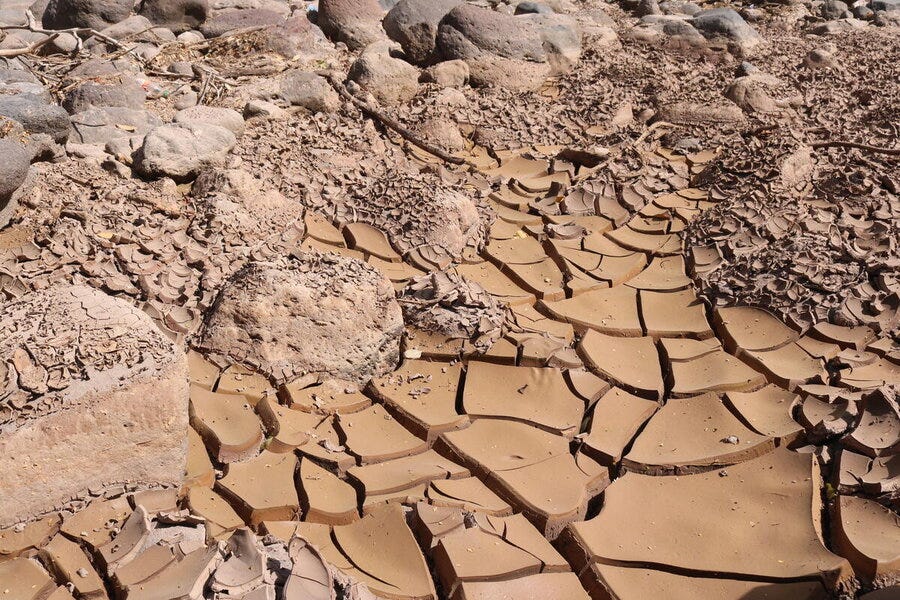
An El Niño-intensified drought in early 2026, in Central America’s Dry Corridor, will have knock-on effects for agriculture and food security in the region. Photo: WFP/Darlan Bautista
On November 9, 2026, as delegates gathered in Antalya, Türkiye, for the opening of COP31, the World Meteorological Organization released its State of the Climate Update for COP31. WMO Secretary-General Celeste Saulo summed it up in one line: the state of the global climate in 2026 “gives new meaning to the phrase off the charts.”
The report confirms what anyone following this year’s heat already suspected. More heat and more heat deaths are coming. It also sets up the story that matters most for food security, an El Niño on course for record strength whose worst effects on farms and food prices will arrive in 2027, after the COP31 negotiators have gone home.
None of this should surprise 4Hunger.org readers. In July, Scorched Harvest called this El Niño “a global food shock on a twelve-month fuse.” Since then 4Hunger.org has tracked the forecast as it turned into fact, from the rains that failed on schedule in Sudan, Ethiopia and Central America (El Niño Has Landed) to our October 28 report that this was on track to be the strongest El Niño ever recorded. WMO’s report is the official scientific record catching up with what the forecasts have been saying for months.
The Climate Temperature Numbers
From January through September 2026, the global average surface temperature was 1.47°C (±0.13°C) above the 1850–1900 preindustrial average. WMO says 2026 is set to be one of the four warmest years on record. The years 2023 through 2026 are now the four warmest ever measured.
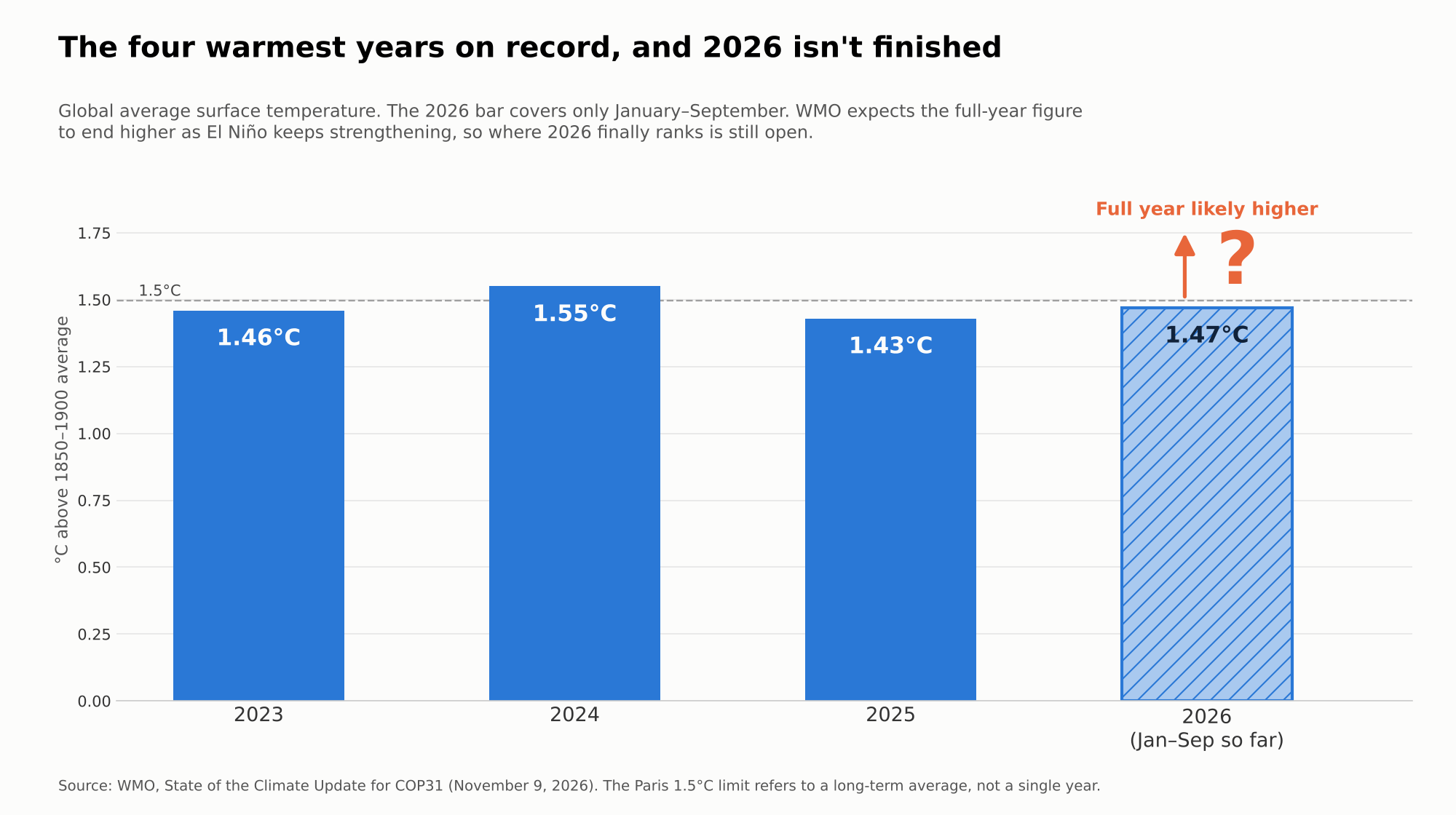
Figure 1. Chart: 4Hunger.org, from WMO data.
The ocean tells the same story. Ocean heat content is on track for a tenth straight record year, and global mean sea level is the highest since satellite records began in 1993. Glaciers lost more than 400 gigatonnes of ice in 2025, which added about 1 millimeter of sea-level rise. WMO says this loss “would have filled five Olympic pools every second of the year.” Every one of the world’s 19 glaciated regions lost ice for the fourth year in a row. The impacts of climate change are here, and they are speeding up.
These numbers fit a pattern described in Hunger at the 2°C Dinner Table. A 2026 analysis by Foster and Rahmstorf found that global warming is accelerating even after natural swings such as El Niño are taken into account. James Hansen, the former NASA scientist whose 1988 testimony to Congress was one of the first public warnings about global warming, reached the same conclusion by a different route. In a 2025 peer-reviewed paper, he and his colleagues found that warming since 2010 has run more than 50% faster than the 1970–2010 rate of 0.18°C per decade. They trace much of the speed-up to cleaner air, as cuts in pollution from ships and East Asian industry have removed some of the haze that was masking part of the greenhouse effect. WMO’s report itself cites Hansen’s 2023 work when it links Earth’s growing energy imbalance to rising greenhouse gases and falling aerosol pollution. In notes posted this year, Hansen has gone further, projecting that 2026 will set a new global temperature record, that 2027 will be hotter still, and that 2°C of warming is likely in the 2030s rather than coming at midcentury. On November 6, however, Copernicus, the European Union’s climate service, reported that October 2026 was the warmest October on record, at 1.75°C above preindustrial levels, but that 2026 will most likely finish second to 2024, with about a 20% chance of tying or beating it. Four straight years at or near 1.5°C, before this El Niño’s heat has fully reached the atmosphere, is what that climate acceleration looks like.
The water on land is also disappearing like ice due to the warming climate. WMO adds up the water held in soil, groundwater, rivers, lakes, reservoirs, snow and ice, and that total has been falling worldwide since 2014. In 2025, 42% of the land area WMO assessed had below-normal water storage, compared with a long-term average of 25%. This is the water that carries a crop through a dry spell and keeps irrigation running. In the first half of 2026, dry conditions spread further across parts of North America and Europe. 4Hunger.org looked at what disappearing groundwater means for food production and hunger in Water Bankruptcy.
One exception matters for the coming season. Parts of Southern Africa, including South Africa, Zimbabwe, Mozambique and Zambia, were much wetter than normal in the first half of 2026. That gives the region some reserve as its main planting season begins in November, but stored water cannot stand in for rain if the rains fail while the main maize crop is growing over the next few months.
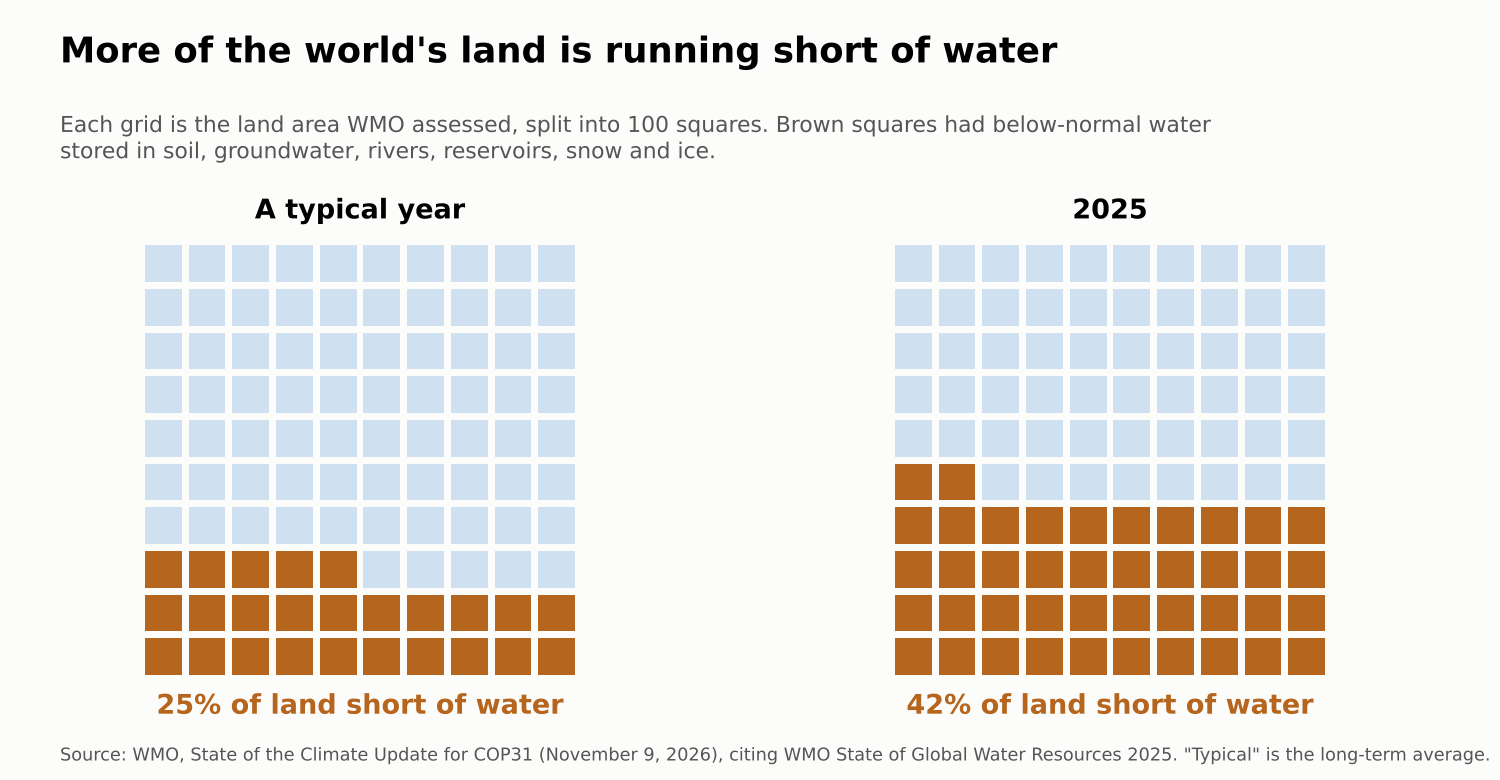
Figure 2. Chart: 4Hunger.org, from WMO data.
The driver has not changed. WMO’s Greenhouse Gas Bulletin No. 22, released October 27, 2026, put 2025 carbon dioxide at 426.8 parts per million, 53% above preindustrial levels. Methane stood at 1,948 parts per billion (up 167%) and nitrous oxide at 339.1 parts per billion (up 26%). Farming produces most human-caused nitrous oxide. The Global Carbon Project found that nitrogen fertilizer and manure caused about 74% of human-caused nitrous oxide emissions in the 2010s, which means agriculture is both a victim of rising global temperatures and a big part of their cause.
El Niño: the heat is still coming
The El Niño that formed this year has strengthened since August, and WMO’s forecasts put it on course for record strength by December 2026. “El Niño doesn’t add new heat to the planet. It releases heat from the ocean, which is the warmest ever measured,” Saulo said when WMO released the report. “There is simply more heat available to release.” The ocean takes up more than 90% of the extra heat trapped by greenhouse gases, WMO’s report notes.
The climb in ocean temperatures has been unusually fast. Sea-surface temperatures in the Niño 3.4 region of the central Pacific, where El Niño is measured, ran 0.2°C above average in March and 2.5°C above by August. WMO’s seasonal forecast put them at 3.7°C above average for October through December, which the report calls exceptionally high within the observed record. The highest seasonal reading since observations began was 2.6°C above average, set during the 2015–16 El Niño, so the forecast would beat that record by more than a full degree Celsius. WMO’s October 21 update put November through January at about 3.8°C. WMO considers it near certain that El Niño will last until at least February 2027.
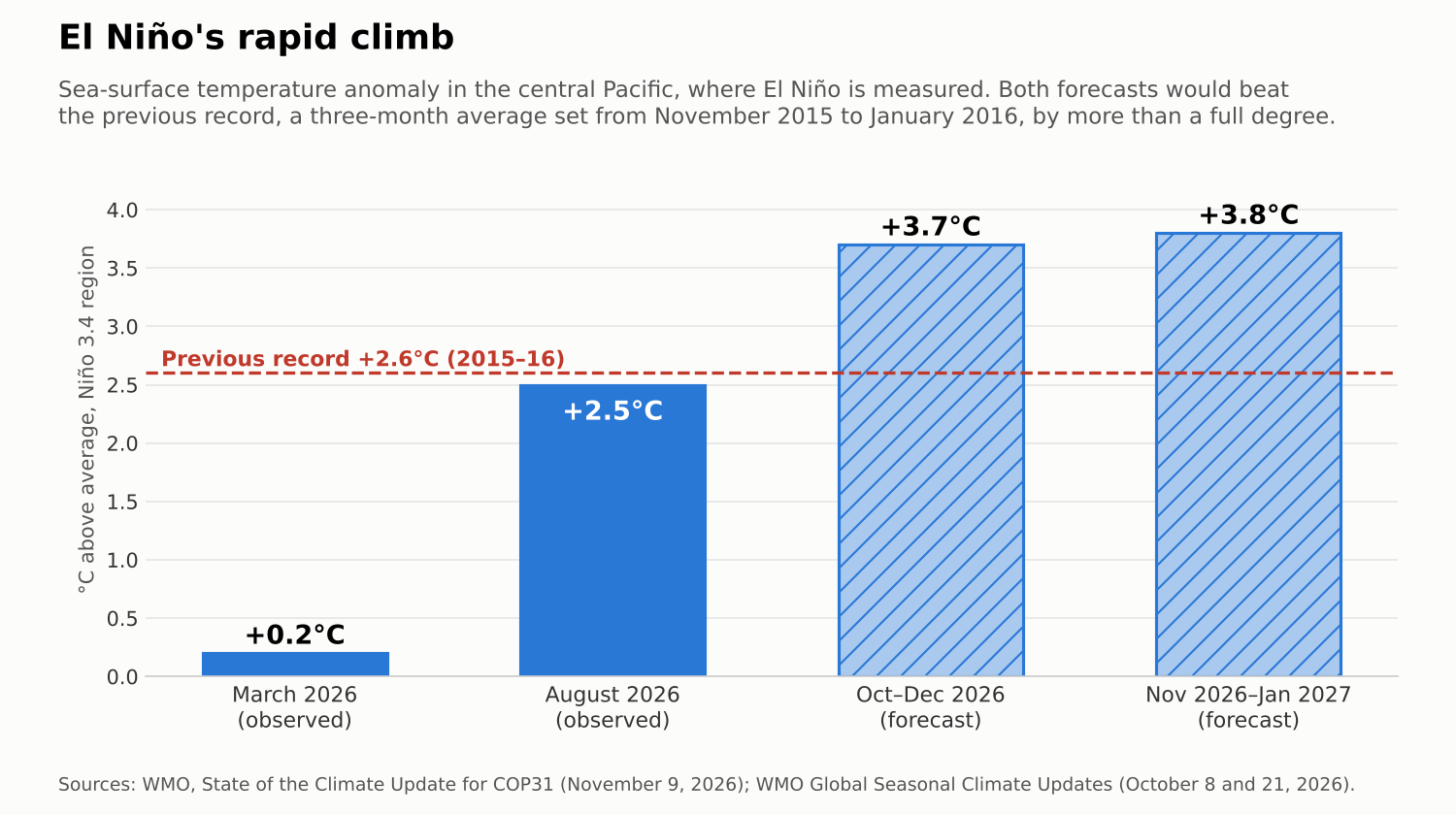
Figure 3. Chart: 4Hunger.org, from WMO data. Forecast values are multi-model averages.
Record strength does not guarantee record damage, and WMO is careful to say so. What an El Niño does depends on where and when the warming occurs, what other climate patterns are in play, and how it meets people who are already poor, hungry or exposed. Long-term warming adds heat on top, making some of those risks worse. That is why WMO calls for updated forecasts and a clear picture of who is exposed throughout the event, not just at its peak.
This year the Indian Ocean is adding its own push. The Indian Ocean Dipole is a seesaw of sea temperatures across that ocean. When the western side, off East Africa, runs warmer than the eastern side near Indonesia and Australia, the dipole is called positive, and the rain tends to shift west with the warm water. Australia’s Bureau of Meteorology reports that a positive Indian Ocean Dipole is underway alongside El Niño, with its weekly index at 0.69°C in late October, well above the 0.4°C threshold, and expects it to last through the Southern Hemisphere spring before fading around December. Climate Impact Company, a private forecaster, calls it a strong event, rivaling those of 2019 and 2023. Together with El Niño, a positive dipole raises the odds of heavy rain in East Africa and of dryness in Indonesia and Australia. ICPAC, East Africa’s regional climate center, forecast a wetter-than-normal October through December across the Greater Horn of Africa, naming 1997 and 2023 as the closest past years. The region’s food security analysts warn that heavy rains also raise the risk of water- and vector-borne disease in people and livestock.
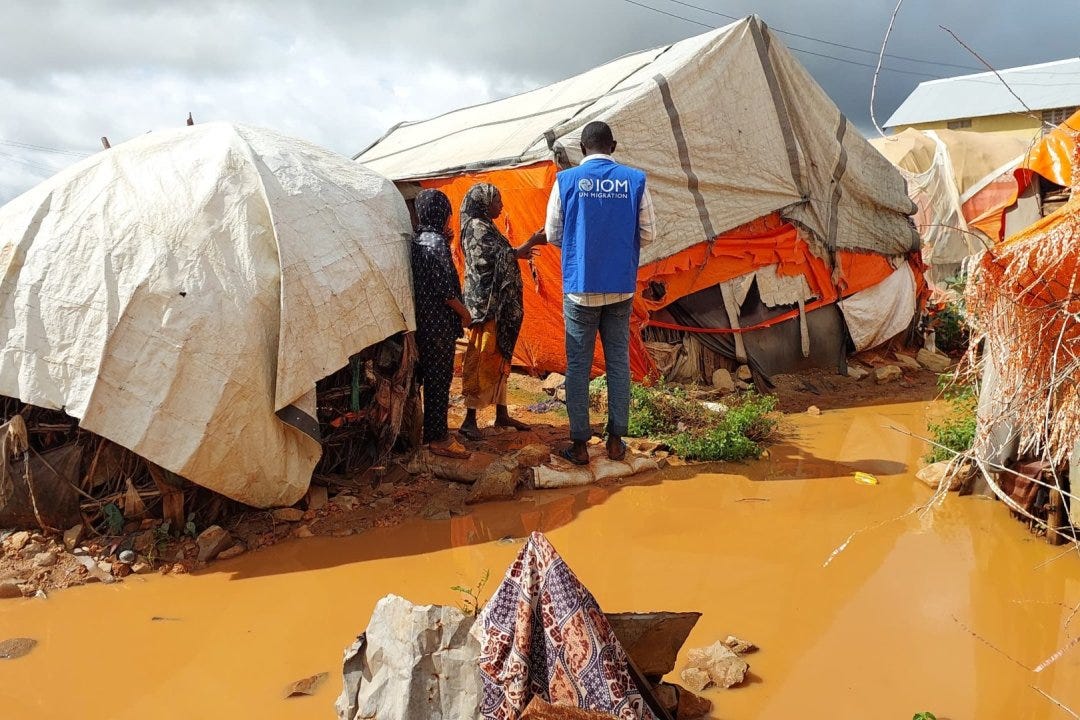
Flooding in Somalia displacement camp in Baidoa October 21, 2026. Somalia faces floods this season after a severe drought last. Photo credit IOM 2026/Hanifah Abdikadir Ali
Timing is what matters here. WMO notes that El Niño typically adds about 0.1°C to 0.2°C to the annual global average temperature, and that temperatures are likely to stay exceptionally high through late 2026 and into early 2027. WMO also expects the full-year 2026 figure to end up above the 1.47°C January–September average as El Niño intensifies. In her foreword to the report, Saulo writes that the heat El Niño releases from the ocean will keep fueling high temperatures and extreme weather into 2027.
That puts the peak of the warming, and of the drought, heat and flood risk that comes with it, in 2027. COP31 closes on November 20, 2026, so the delegates in Antalya are negotiating on the eve of the shock, not in its aftermath. 4Hunger.org’s El Niño calendar (Figure 4) runs well past the COP31 summit, from drought risk across Southern Africa’s main maize season in December through March to a peak in Southern Africa’s hunger from November 2027 to March 2028, according to FEWS NET.
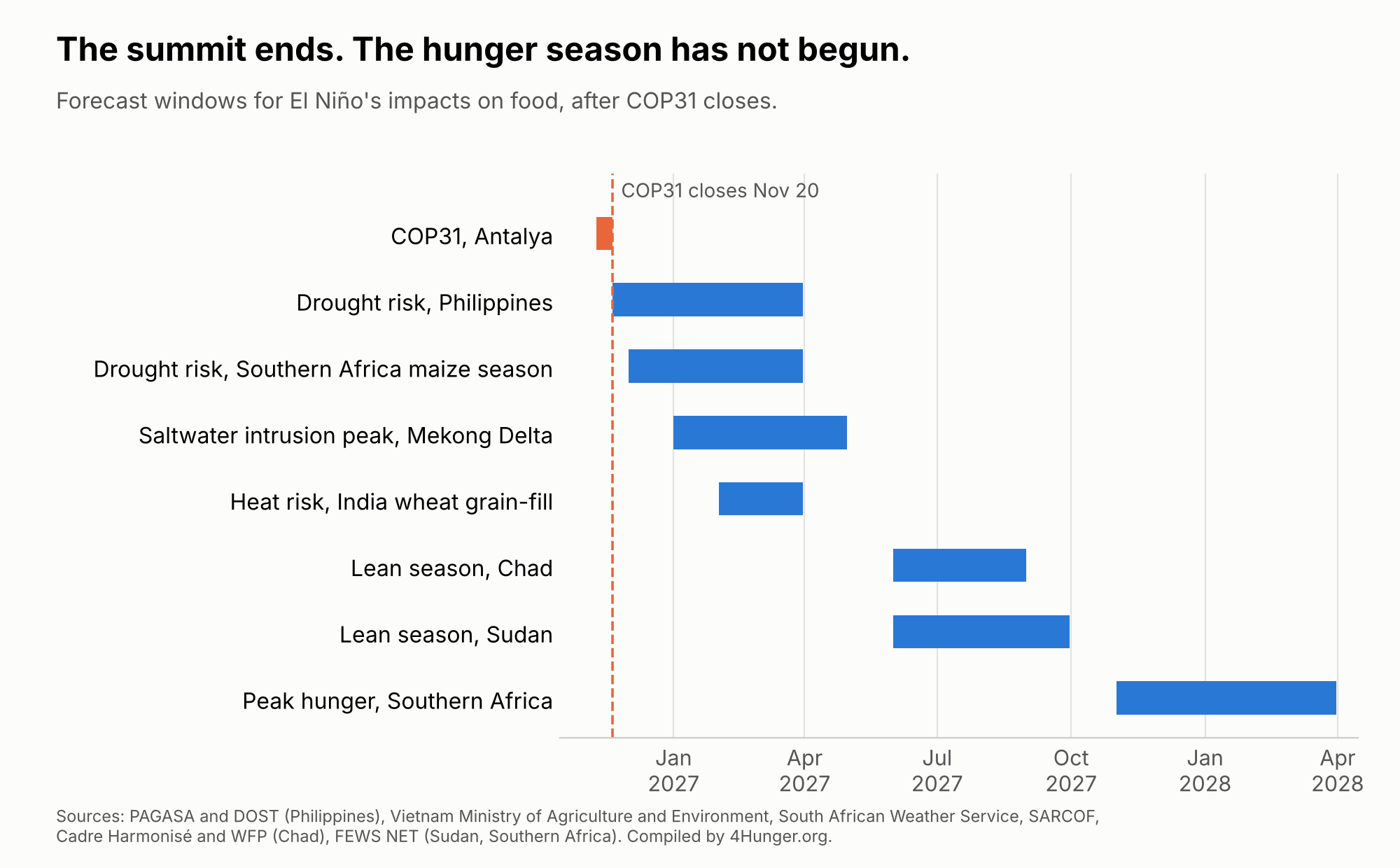
Figure 4. Chart: 4Hunger.org. Windows are forecast risk periods, not certainties.
What the WMO report’s findings mean for global hunger
The report gives agriculture and food security a page of its own. Its central warning is that El Niño is already raising agricultural risks, especially where food insecurity is high and farms depend on rain rather than irrigation. That is an accurate description of the people most exposed. But the report gives no figure for how many of them there are.
What the report does count is damage to farms, and several of its examples carry El Niño’s fingerprints. Severe drought hit Honduras’s 2026 Primera growing season, especially in the southern Dry Corridor, where dry soil held back planting and crop growth. In Peru, warmer coastal water has changed where anchovy live and how deep they swim, and the government has suspended the anchovy fishery indefinitely. Rain in the northern parts of East Africa fell short from May through August, drying soils and stressing crops and pasture. India’s monsoon began with June rainfall about 40% below normal and was still about 12% short at the end of September, in a country where farming employs more than 40% of the workforce.
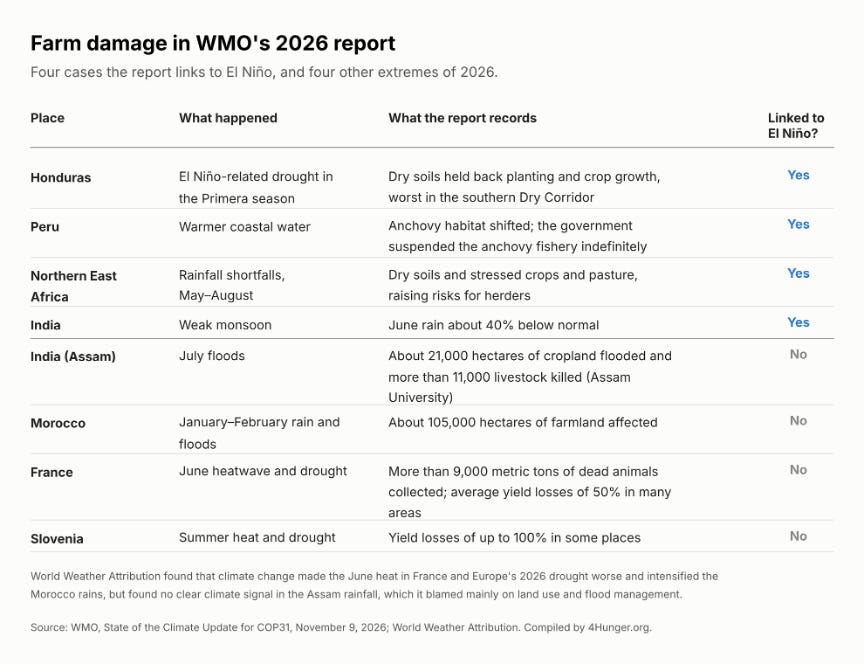
Table: 4Hunger.org, from WMO’s State of the Climate Update for COP31. The first four cases are ones the report links to El Niño; the last four are other extremes of 2026. World Weather Attribution found that climate change made the June heat in France and Europe’s 2026 drought worse and intensified the Morocco rains but found no clear climate signal in the Assam rainfall, which it blamed mainly on land use and flood management.
The report’s verdict on the year’s extremes points the same way. WMO concludes that floods, droughts, heatwaves and storms, striking one after another, damaged cropland, wore down livelihoods, deepened poverty and drove people from their homes across multiple regions.
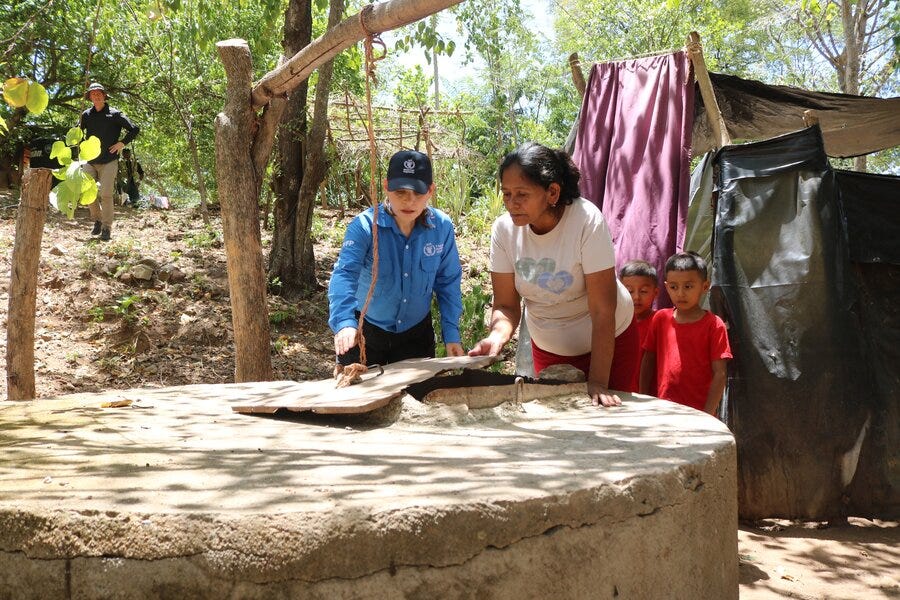
A dried-up family well in Honduras’s Dry Corridor (credit WFP/Darlan Bautista), from WFP’s story “How El Niño is driving hunger and drought across Central America.”
The human toll the WMO report fails to fully count includes deaths from exposure to heat. During an April 2026 heatwave, an estimated 146.5 million people in India were exposed to extreme heat. In Europe, heatwaves, drought and wildfires caused more than 30,000 excess deaths, according to preliminary estimates. For the first time, the World Health Organization has classified this El Niño’s expected health impacts as a health emergency.
The WMO report misses that heat is a food and hunger story, too. As 4Hunger.org documented in HEAT – The Master Variable, extreme heat is the fastest-moving climate threat to the food supply. It strikes crops, water and livestock within days. Those losses quickly raise the cost of food, which causes hunger, and as surviving crops and livestock run out, the damage from heat can keep causing hunger for up to a year.
Wealthy countries are not spared, though they can better absorb the loss. England’s 2026 harvest of wheat, barley, oats and rapeseed fell to 16.03 million metric tons, the lowest since records began in 1984, after a summer of heatwaves and drought, according to an Energy and Climate Intelligence Unit analysis of UK government data. Four of the five worst English harvests on record have come this decade. Across the European Union and the UK, the same group found that grain forecasts fell by 16.7 million metric tons between June and September, about as much as Italy, Belgium and the Netherlands are expected to harvest combined. France lost the most. Its maize crop is now forecast at 7.6 million metric tons, 45% below 2025. Hungary, Spain and Austria also took heavy losses, and Austria’s maize yields fell by more than a third. In the United States the damage has been milder. On November 10, the U.S. Department of Agriculture cut its forecast corn yield to 179.6 bushels an acre, down from 183 in May, while its soybean forecast rose. Each of these countries can cover its shortfall by buying grain abroad. The poor countries competing for what is left cannot.
WHO’s warning goes well beyond heat. The report describes this El Niño as a risk multiplier for health, bringing heat illness, wildfire smoke, malnutrition and food insecurity, and shifting the risks of cholera, malaria and dengue. The worst effects are expected where those hazards meet weak health systems, displacement and humanitarian crises. Disasters can also knock out health care itself. After Cyclone Gezani struck Madagascar in February, preliminary assessments found 33 of 46 assessed basic health centers affected, along with two referral hospitals.
There is an early-action side here too. WHO, WMO and the UN’s inter-agency El Niño analysis team, which tracks El Niño to set off early aid, have produced their first joint global health analysis for El Niño, which uses climate forecasts so that health authorities can step up disease surveillance and stock supplies before outbreaks begin.
The gap is telling. WMO measures the physical climate very well, but hunger is a downstream outcome. It depends on harvests, prices, conflict and whether help arrives in time. Tracking it falls to FAO, the World Food Programme and famine early-warning systems. Readers should expect those numbers in the coming months, and they should expect them to be bad.
They should also expect them to be incomplete. As 4Hunger.org reported in Millions of People Are Starving, the 2026 Global Report on Food Crises warned that funding cuts and blocked access had produced the lowest availability of food-security data in ten years, with 18 countries and territories, including Ethiopia, missing comparable food-security data for 2025. The same aid cuts that weaken the response also dismantle the system that conducts the food-security counts.
What COP31 should do with this
The report shows one area of real progress. The number of countries reporting multi-hazard early warning systems rose from 56 in 2015 to 136 in 2025. Warnings save lives, but they do not feed anyone. A forecast of failed rains helps only if seed, cash and food reach farmers and the surrounding populations before the harvest fails.
Some 85% of WMO’s members now provide early warning services, and 67% run them around the clock. The number of members sharing observation data through WMO’s new information system nearly tripled in three years, from 30 to 89. WMO is also candid about the limits. Gaps remain where money and trained staff are short, and the report warns that a gap in any part of the global observing system can weaken seasonal forecasts and, in the end, early warning itself.
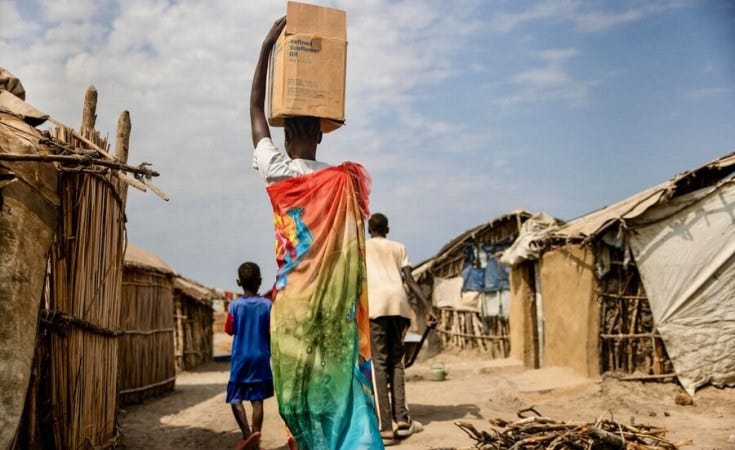
Carrying a box of WFP food assistance, Nyanene Gatdoor heads home to the displacement camp where she lives in South Sudan. She and her children count among thousands uprooted by devastating floods. Photo Credit: Samantha Reinders/WFP
The WMO report frames the job for farm, water, health and humanitarian agencies as a question about which climate risks are becoming more likely, where and when, and “what decisions can be taken before impacts occur?” WMO has set up a coordination mechanism to put its forecasts in front of humanitarian agencies, including the UN’s inter-agency Global ENSO Analysis Cell. The forecasters are doing their part. Whether the money the report says is needed will follow is up to governments.
El Niño is a natural cycle, and 4Hunger.org has said plainly that climate change does not cause it. However, that does not mean that the impending acute hunger crisis around the world should be taken off the Climate Conference’s agenda, for three reasons laid out in El Niño’s Worst Hunger Is Still Ahead. The first is that climate change makes El Niño’s damage worse, even where it does not change El Niño itself. When El Niño helped dry out the Amazon in 2023, World Weather Attribution found that El Niño and climate change cut the rain by about the same amount. The extreme heat came almost entirely from climate change, which made the drought about 30 times more likely. In Southern Africa’s 2024 drought, the same group found El Niño was the key driver. That difference is the point. While crops are failing, nobody can sort a drought into its natural and human-caused shares, and WMO’s report shows how much hotter and drier the starting point has become. Heat alone takes a toll. As 4Hunger.org reported in The Votes Are Counted, a joint FAO-WMO report finds that maize and wheat yields have fallen 7.5% and 6.0% for each 1°C of warming.
The second reason is that warming from climate change is expected to make El Niño’s swings in rainfall stronger. The Intergovernmental Panel on Climate Change found in 2021 that, under intermediate and high emissions, rainfall variability tied to El Niño and La Niña will very likely increase in the second half of this century. The third is that the climate treaties already cover this work. The 1992 convention commits every party to prepare for adaptation in agriculture and in areas “particularly in Africa, affected by drought and desertification, as well as floods.” In the Paris Agreement, the parties recognized the importance of “averting, minimizing and addressing” loss and damage, and they named early warning systems and emergency preparedness as areas for cooperation. The loss and damage fund they created so far does only the third of those verbs.
Meanwhile, the hunger tsunami is building. The crops lost this year in Honduras’s Dry Corridor, India, East Africa and the Philippines are only the first wave. The hunger they cause will peak through 2027, and in Southern Africa it will run into early 2028 (Figure 4). The World Food Programme estimates that this El Niño could push almost 49 million more people into acute hunger by the end of 2027.
The money to meet this huge wave of hunger is not there. The FAO-WFP early-action appeal asks for $202 million to protect 8.8 million people in 22 countries, and the agencies estimate that every dollar spent early saves up to seven in losses and response costs. In late September the UN said it had received only about one-fifth of it, and that money works only if it moves before the hazards hit. The loss and damage fund has $822 million in pledges but only about $449 million paid in, and its first call for proposals drew nearly 180 requests seeking about $2.8 billion. Its rules point it toward recovery after a disaster, not action on a forecast, and it has put off approving its first projects until its board meets in December.
COP31 can change that. Our first COP31 article said it in its title, The Forecast Worked. The Money Did Not. This week the delegates in Antalya are writing their annual guidance to the loss and damage fund. They can direct it to release money when a credible forecast says acute hunger and even famine deaths are coming, and they can press the countries that pledged to pay what they promised. Every future El Niño will strike a warmer world, and so will every drought and flood in between. A fund that waits to learn how much of a disaster warming caused before it pays will always pay late, after people are suffering and dying. This El Niño, forecast months ahead, is the cheapest place to learn how to pay early.
That is the test for the negotiators at COP31 in Antalya. A record El Niño has been forecast months ahead, and its impacts on food are already apparent in the lost crops around the world and will continue to land well into 2027. Negotiators who are talking about how best to create a working loss and damage fund can treat this as a chance for anticipatory action, with finance released on the forecast rather than after the crisis. If the COP31 negotiators fail to mobilize the loss and damage fund to aid the people facing hunger around the globe through 2027, the millions suffering acute hunger and even famine that year will be the price of that failure, and the responsibility will be theirs.
4Hunger.org’s October 28 article set out what passing that test would look like. Fund and expand the FAO-WFP early-action appeal before Southern Africa plants in December, and commit a fixed share of humanitarian and climate adaptation funding to action before disasters, not after. As that piece put it, “El Niño will decide where the rain falls. It will not decide who goes hungry.” Nor will it decide who dies.
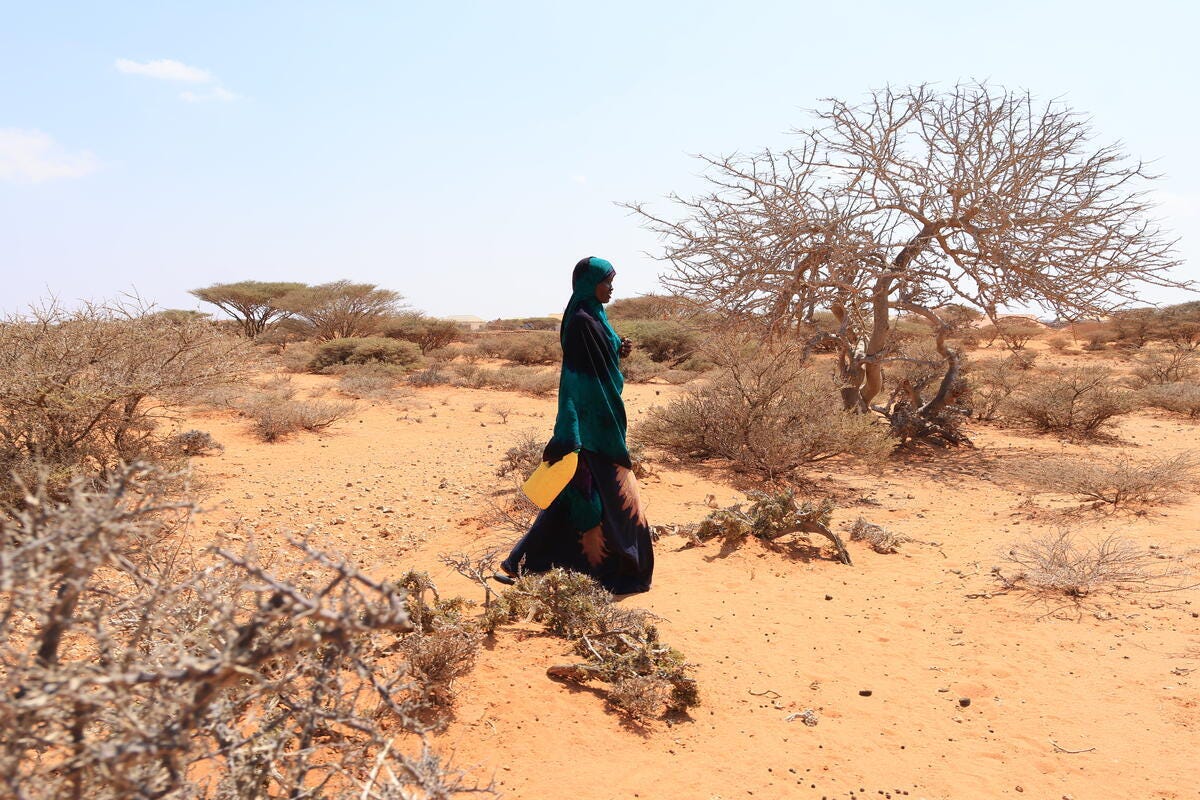
What is El Niño, how does it affect hunger and how does WFP respond? World Food Programme, Photo Credit: WFP/CRC/Mohamed Abdirisak Ali
Conclusion and Challenge to COP31
4Hunger.org and the entire world will be watching whether the adaptation and loss-and-damage texts that come out of COP31 name food security and early action in concrete terms. We will also be watching whether they release money the loss and damage fund already holds for the almost 49 million people this El Niño could push into acute hunger by the end of 2027, and for the 2.1 billion people who already face moderate or severe food insecurity, whose hunger this El Niño threatens to make much worse in 2027.
The world should be paying attention to this substack! Until we recognize the magnitude of this danger and act, our future is dim!
Our failure to wean off fossil fuels is now hitting in the most personal way possible, food on tables. Hunger is an ethical and moral failing that stretches back lifetimes. Oil and industrialized agriculture enabled our current unsustainable 8.3 billion population and these COP meetings should be driven by moral justice and a desire to deal with inevitable oil withdrawal and the ever more obvious disasters created by our overheated planet.
Although wealthy nations will endure better for longer overall, this is not just a Global South problem with grotesque wealth disparity such an issue. The poor and mirage of the middle class in America, Europe and Australia are also increasingly clinging to the edges as energy prices inevitably and inexorably rise. Who in leadership is going to tell the truth and weave together a plan for the reality of shrinkage set by overextraction of the planet?
This is the end result of capitalism. What comes next is fearful.
History shows solutions won't be the thousands of fossil fuel interests infesting COP31.